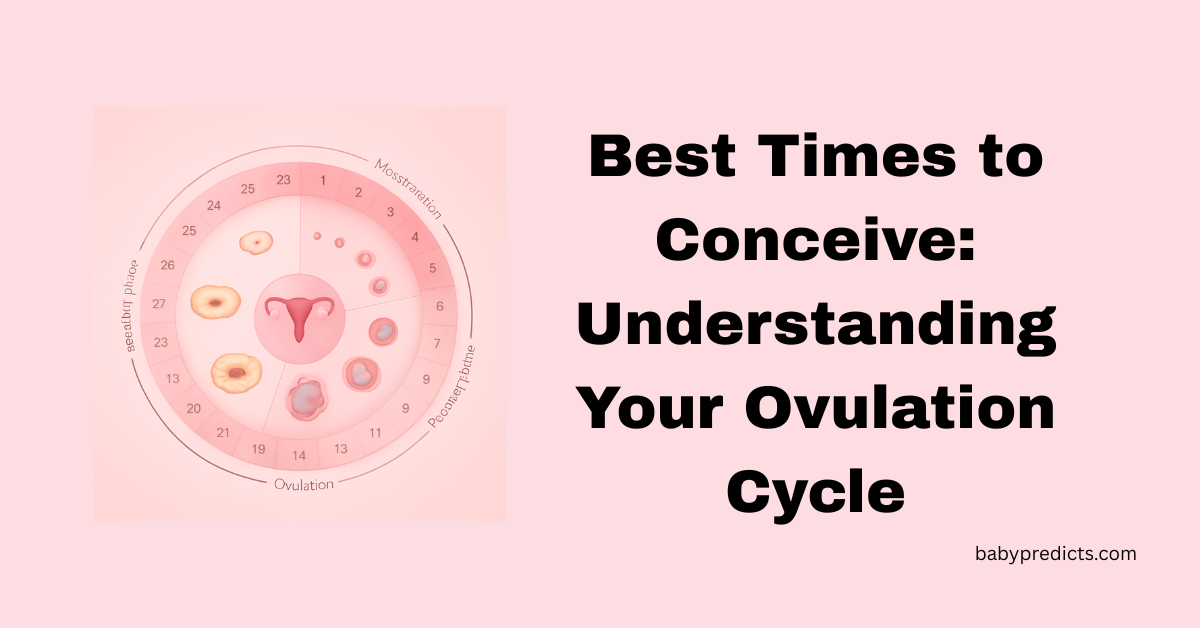
Best times to conceive are often a mystery to many couples starting their journey toward parenthood. While it might seem like pregnancy can happen at any moment, the biological reality is that you only have a small window each month where conception is possible. Understanding your body’s natural rhythm is the most powerful tool you have when trying for a baby.
This guide will walk you through the science of ovulation, how to identify your fertile window, and practical tips to maximize your chances of getting pregnant. Whether you have a textbook 28-day cycle or something a bit more unpredictable, knowing the signs can make all the difference.
The Science of Your Cycle
To understand when you are most fertile, you first need to understand the phases of your menstrual cycle. A typical cycle is often described as lasting 28 days, but anything from 21 to 35 days is considered normal for healthy adults.
The Menstrual Phase
This is day one of your cycle, marking the first day of full flow. Estrogen and progesterone levels drop, signaling your body to shed the uterine lining.
The Follicular Phase
This phase overlaps with your period and continues until ovulation. Your body releases Follicle-Stimulating Hormone (FSH), which tells your ovaries to prepare eggs for release. Usually, one egg becomes dominant and matures fully.
The Ovulation Phase
This is the main event. A surge in Luteinizing Hormone (LH) triggers the release of the mature egg. This usually happens around day 14 in a 28-day cycle, but it varies widely among women. Once the egg is released, it survives for only 12 to 24 hours.
The Luteal Phase
After ovulation, the empty follicle transforms into the corpus luteum, which releases progesterone to maintain the uterine lining for a potential pregnancy. If the egg isn’t fertilized, hormone levels drop, and the cycle restarts.
Identifying Your Fertile Window
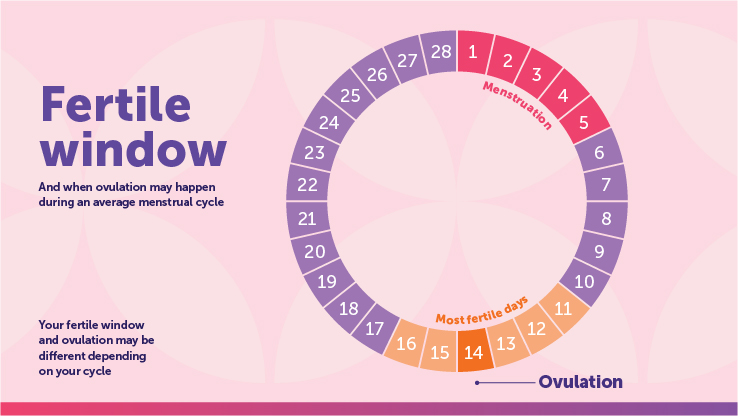
Your fertile window is the period during your cycle when pregnancy is possible. This window typically spans six days: the five days leading up to ovulation and the day of ovulation itself.
Why five days before? Because sperm are resilient. While an egg only lives for up to 24 hours, healthy sperm can survive inside the female reproductive tract for up to five days. This means if you have intercourse days before you actually ovulate, the sperm can be “waiting” for the egg to be released.
When Are the Best Times to Conceive?
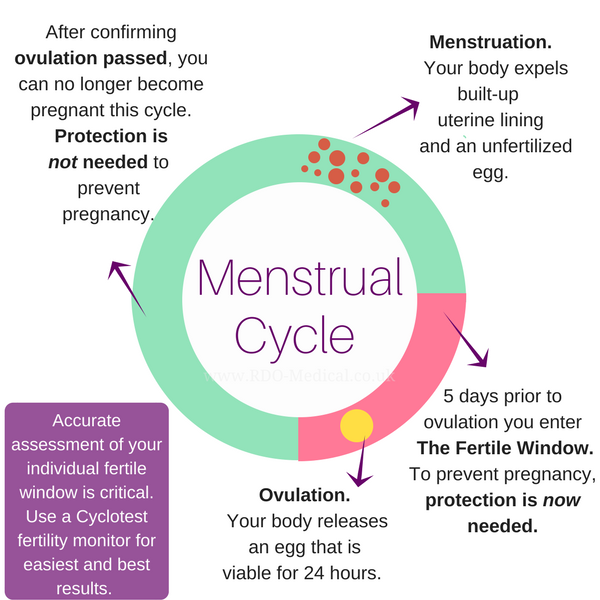
The best times to conceive are usually the two days leading up to ovulation and the day of ovulation itself. Research suggests that having sex during this three-day span gives you the highest probability of pregnancy.
If you rely solely on the day of ovulation, you might miss your chance, as the egg’s lifespan is short. By broadening your scope to the days prior, you ensure that sperm are present when the egg arrives.
How to Pinpoint Ovulation?
Since every body is different, relying on a calendar app alone isn’t always accurate. Here are reliable methods to track your unique cycle.
Basal Body Temperature (BBT)
Your basal body temperature is your temperature when your body is fully at rest. After ovulation, progesterone causes a slight rise in temperature (about 0.5 to 1 degree Fahrenheit). By tracking this every morning before getting out of bed, you can see a pattern. However, BBT confirms ovulation after it has happened, so it is better for predicting patterns over several months rather than immediate timing.
Ovulation Predictor Kits (OPKs)
These are urine tests similar to pregnancy tests. They detect the surge in LH that happens 24 to 36 hours before ovulation. When you get a positive result, you are entering your peak fertility. This is one of the most accurate ways to time intercourse.
Cervical Mucus Changes
Your body gives physical clues when fertility is high. Just before ovulation, estrogen increases, causing cervical mucus to change texture. You are looking for mucus that resembles raw egg whites—clear, stretchy, and slippery. This type of mucus helps sperm swim and survive.
Cervical Position
Though harder to track for beginners, the position of your cervix changes throughout your cycle. During your most fertile days, the cervix becomes softer, higher, wetter, and more open (often remembered by the acronym SHOW).
Factors That Influence Your Timing
Even with perfect timing, external factors can shift your cycle. Stress, illness, travel, and significant weight changes can all delay or speed up ovulation.
Irregular Cycles
If your cycle length varies significantly (by more than a few days each month), pinpointing ovulation is trickier. In these cases, consistent sex every two to three days throughout your cycle is often recommended to ensure you don’t miss the window.
Lifestyle and Health
Your overall health impacts your fertility. Smoking, excessive alcohol consumption, and extreme exercise can disrupt hormonal balance. Maintaining a balanced diet and healthy weight supports regular ovulation.
Common Myths About Conception
There is plenty of advice out there, but not all of it is helpful. Let’s debunk a few myths.
- Myth: You must have sex every single day.
-
- Fact: Every other day is sufficient and keeps sperm counts healthy.
- Myth: You can get pregnant at any time of the month.
-
- Fact: Conception is only possible during the fertile window.
- Myth: Cycle apps are 100% accurate.
-
- Fact: Apps use algorithms based on averages. They don’t know your specific hormone levels unless you input data like BBT or OPK results.
When to See a Doctor
If you are under 35 and have been trying to conceive for a year without success, it is time to consult a specialist. If you are over 35, the recommendation is to see a doctor after six months of trying. Furthermore, if you have irregular periods or conditions like Polycystic Ovary Syndrome (PCOS), it is worth speaking to a healthcare provider sooner to create a tailored plan.
Conclusion
Finding the right timing can feel like a science experiment, but it’s really about listening to your body. By tracking your signs and understanding the mechanics of the “fertile window,” you can approach conception with confidence rather than guesswork. Be patient with yourself and your partner, and remember that even perfectly healthy couples may take several months to conceive.
FAQs About the Best Times to Conceive
1. Can I get pregnant right after my period ends?
Yes, it is possible, especially if you have a short menstrual cycle. If you have a 21-day cycle, you might ovulate as early as day 7, which could be just after your period finishes. Since sperm can live for five days, sex right after your period could lead to conception.
2. Is there a specific time of day that is better for conception?
There is no scientific evidence to suggest that morning or night is better for conception. However, many couples find morning sex convenient because sperm counts can be slightly higher after a good night’s sleep, but the most important factor is simply having sex during the fertile window.
3. How does age affect the best times to conceive?
While your fertile window (the six-day span) remains the same regardless of age, the quality and quantity of eggs decrease as you get older. This means that even if you time intercourse perfectly, the chance of conception per month drops as you age, particularly after age 35.
4. Can stress really stop me from getting pregnant?
Chronic, high levels of stress can interfere with the part of the brain (the hypothalamus) that regulates hormones needed for ovulation. This can lead to delayed or missed ovulation, making it harder to predict your fertile window.
5. What if I never see “egg white” cervical mucus?
Not everyone notices this specific change, and that doesn’t necessarily mean you aren’t ovulating. Factors like hydration, medications, and previous surgeries can affect mucus production. Using Ovulation Predictor Kits (OPKs) can be a helpful alternative if you can’t rely on mucus checks.