
Pregnancy comes with a long list of dietary “don’ts.” From sushi to soft cheeses, navigating the grocery aisles can feel like walking through a minefield. You might find yourself pausing in front of the pantry, wondering about everyday staples. One common question that pops up frequently is: is it safe to eat honey in pregnancy?
The short answer is yes. For most pregnant women, enjoying honey is perfectly safe. Unlike the strict rules for infants under one year old, the risks associated with honey do not apply to you or your unborn baby in the same way. However, like most things during pregnancy, there are a few nuances to keep in mind regarding quality and moderation.
In this guide, we will explore everything you need to know about honey consumption while expecting, breaking down the benefits, safety concerns, and expert recommendations.
The Short Answer: Is It Safe to Eat Honey in Pregnancy?
It is a widespread myth that pregnant women should avoid honey. This confusion largely stems from the strict warning against feeding honey to babies under 12 months due to the risk of infant botulism.
However, when asking is it safe to eat honey in pregnancy, rest assured that your adult digestive system is well-equipped to handle the bacteria that might be present in honey. Your gut acidity kills off Clostridium botulinum spores, preventing them from producing toxins. Furthermore, these toxins—if even produced—have a high molecular weight, meaning they cannot cross the placenta to reach your baby.
So, go ahead and add that drizzle to your oatmeal or tea. It poses no risk of botulism to your fetus.
Benefits of Eating Honey While Pregnant
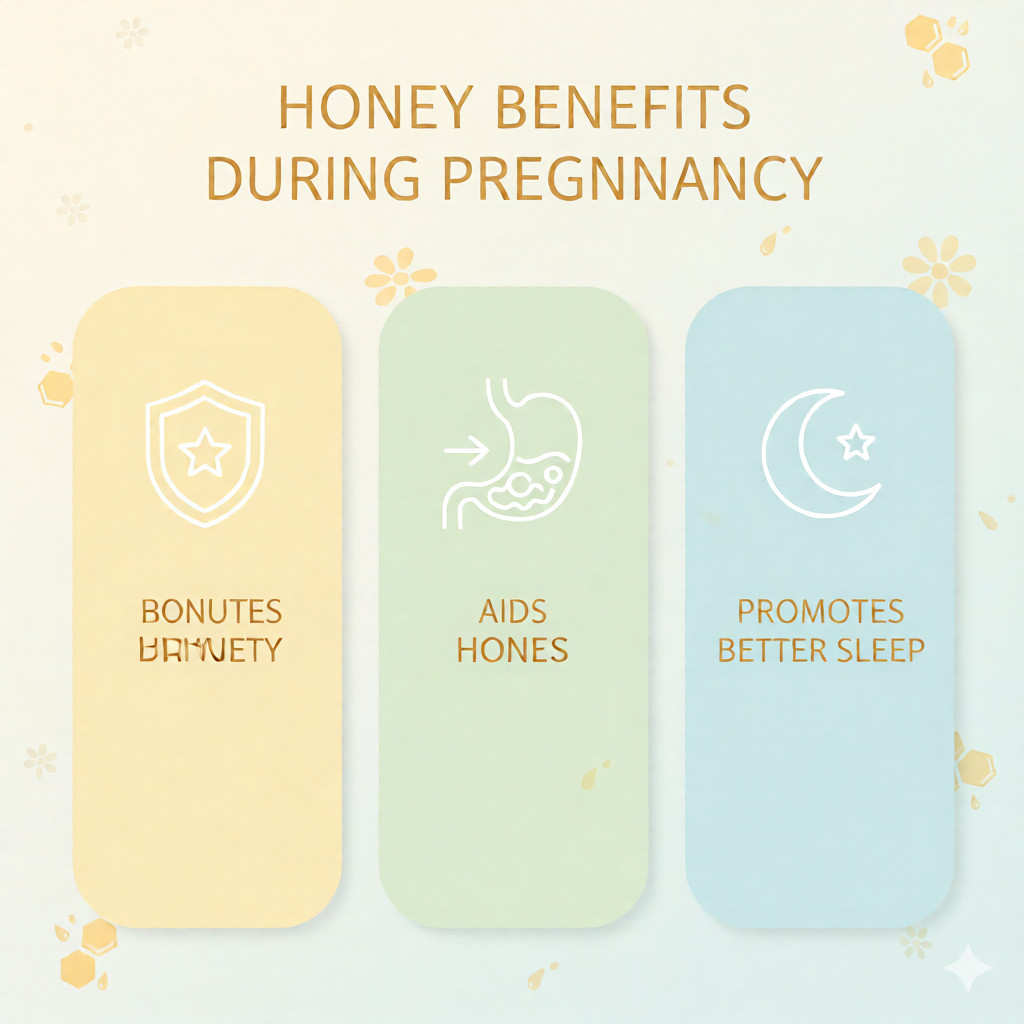
Not only is honey safe, but it can also offer several health benefits during those nine months. Honey is a nutrient-dense alternative to refined white sugar and contains antioxidants, enzymes, and minerals.
Natural Immunity Booster
Pregnancy naturally suppresses your immune system, making you more susceptible to colds and flu. Honey is known for its antibacterial and antioxidant properties. Adding a spoonful to warm lemon water can be a soothing remedy for a sore throat or a mild cough, helping you avoid over-the-counter medications that might not be pregnancy-safe.
Digestion Aid
Heartburn and indigestion are the unwanted companions of many pregnancies. Some women find that mixing honey with milk helps neutralize stomach acid. Additionally, raw honey contains enzymes that can aid digestion, potentially easing the discomfort of constipation, another common pregnancy symptom.
Better Sleep
Insomnia is real, especially in the third trimester. A classic remedy—warm milk with a teaspoon of honey—can help promote relaxation. Honey helps the brain release melatonin, the hormone responsible for sleep regulation, which might help you catch those elusive Zs.
Raw vs. Pasteurized Honey: What You Need to Know
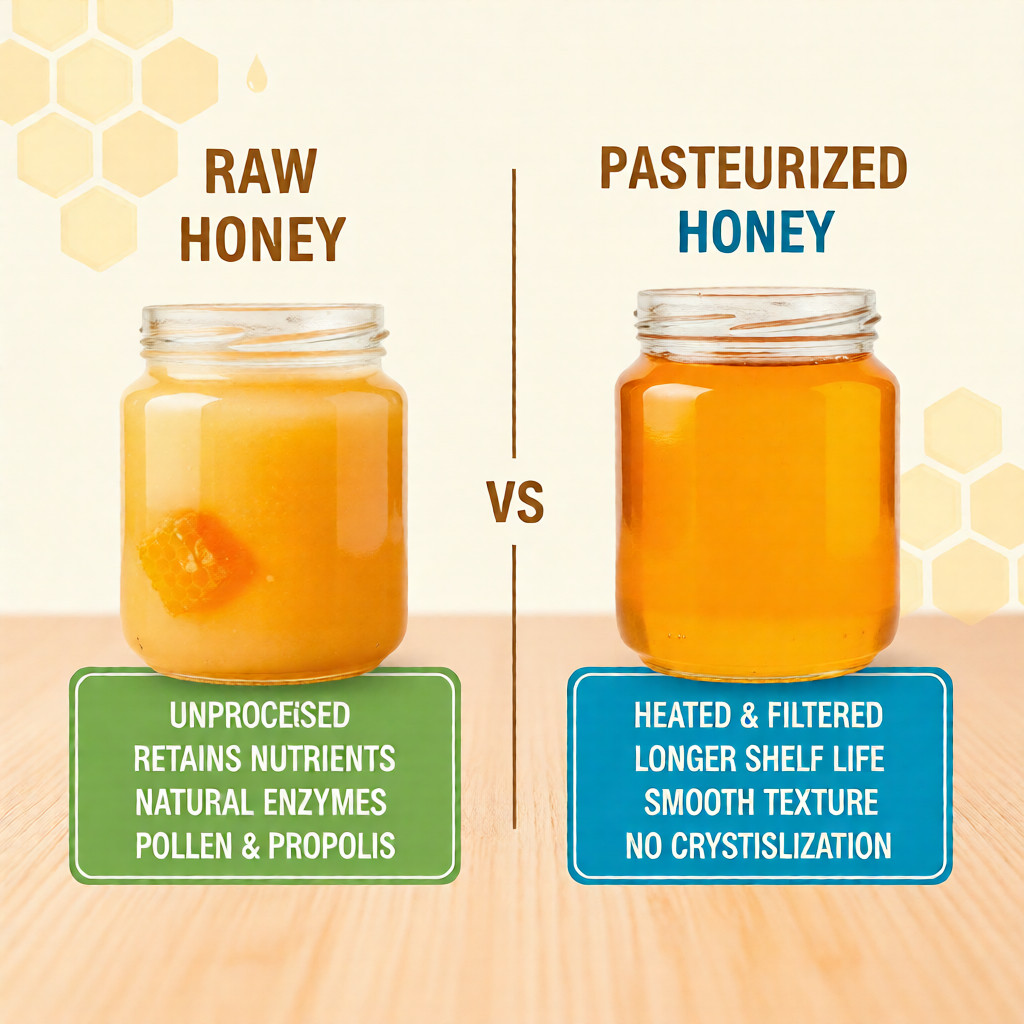
When discussing is it safe to eat honey in pregnancy, the type of honey matters to some extent, though primarily for general food safety rather than botulism risks.
Pasteurized Honey
This is the honey you typically find in the cute plastic bears at the supermarket. It has been heated to high temperatures to kill yeast and extend shelf life. This process also prevents crystallization. It is the safest option if you are worried about bacteria, but the heat can destroy some of the beneficial enzymes and antioxidants.
Raw Honey
Raw honey comes straight from the hive. It is unheated, unpasteurized, and unprocessed. While it retains all the nutritional benefits, there is a very slight risk it could contain other environmental contaminants. However, for most healthy pregnant women, raw honey from a reputable source is considered safe because the adult immune system can handle it.
Note: If you have a compromised immune system or gestational diabetes, always consult your doctor before choosing raw honey.
Potential Risks and Precautions

While the answer to is it safe to eat honey in pregnancy is generally yes, there are specific scenarios where caution is necessary.
Gestational Diabetes
Honey is still a form of sugar. It is high in fructose and glucose. If you have been diagnosed with gestational diabetes or are insulin resistant, you need to treat honey just like any other sweetener. It can spike your blood sugar levels. In this case, you should limit your intake or avoid it, depending on your doctor’s advice.
Gastrointestinal Discomfort
Honey is high in fructose, which can cause digestive issues like bloating, gas, or diarrhea in some people, particularly those with fructose malabsorption. Since pregnancy already puts pressure on your digestive system, listen to your body. If honey makes you feel unwell, skip it.
Allergies
Although rare, some women may develop sensitivities or allergies during pregnancy that they didn’t have before. If you notice any itching, swelling, or digestive distress after eating honey, stop consuming it and speak to your healthcare provider.
How to Incorporate Honey Safely

If you have the green light to enjoy honey, here are a few safe ways to include it in your diet:
- Sweetener substitute: Use it in place of sugar in baking or cooking.
- Tea time: Stir into ginger tea to help with morning sickness.
- Yogurt topping: Drizzle over Greek yogurt for a protein-packed snack.
- Marinades: Use it to add a touch of sweetness to salad dressings or meat glazes.
Frequently Asked Questions (FAQs)
Can eating honey cause botulism in my unborn baby?
No. The spores that cause botulism are dangerous to infants because their digestive systems are immature. An adult woman’s intestines are acidic enough to kill these spores. Even if you ingested the spores, the botulinum toxin is too large to cross the placenta, meaning your baby is safe.
How much honey can I eat per day while pregnant?
Moderation is key. Honey is calorie-dense and high in sugar. A general recommendation is to stick to one to two tablespoons per day. This allows you to enjoy the sweetness and benefits without overloading on sugar, which is important for managing healthy weight gain.
Is Manuka honey safe during pregnancy?
Yes, Manuka honey is safe. It is famous for its potent antibacterial properties. However, it is also more expensive. Like regular honey, it is safe to consume as long as you do not have gestational diabetes.
Can I eat honeycomb while pregnant?
Yes, honeycomb is safe to eat. It consists of the beeswax structure and raw honey. The wax is edible but generally passes through your system undigested. Just ensure it comes from a clean, reputable source.
Should I avoid honey if I have pollen allergies?
Maybe. Raw honey often contains trace amounts of pollen. If you have severe seasonal allergies, eating raw honey might trigger a reaction, such as an itchy throat. Pasteurized honey, which is filtered, typically has less pollen and might be a safer choice if you are sensitive.
At BabyPredicts.com, we provide reliable resources for expecting parents, including our Chinese Gender Predictor Tool and expert insights. Whether you’re exploring fun predictions or seeking medical advice, we’re here to support your journey. Try our tools today and join our community of moms-to-be!